


Page 56 - Climate Compliance
P. 56
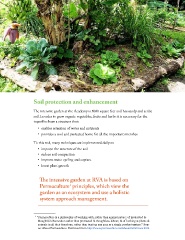
leaves, kitchen waste, cardboard and horse manure; produce close to a cubic meter
                         of compost per week.
             56
                         Efforts have been made to find more labour efficient ways to produce a higher
                         volume and better quality compost. For this reason, in the future, probiotic or
                         efficient microbes will be introduced to the mix, to enhance the composting
                         process.


                         Biocharing


                                         1
                             Biochar  is an excellent soil enhancer
                             and carbon sequester.


                         It’s structure helps the soil keep its moisture and thereby its capacity to hold
                         nutrients. Another benefit of applying biochar to the soil is carbon storage. The
                         carbon in the biochar can stay stable for hundreds or thousand of years and
                         thereby contributes to a meaningful carbon sequestration.


                           1  ““Biochar” is simply a term used to describe black carbon that is produced intentionally for (1)
                            carbon management (i.e., trying to slow down climate change) or (2) agricultural or envi-
                            ronmental management applications (e.g., trying to improve crop yields).” Source: What is
                            Biochar? Retrieved from www.theawhitman.wordpress.com/what-is-biochar/.

